Archimedes’ Stomachion, Liubov Popova’s Paintings c.1918, and Depth Maps c.2018
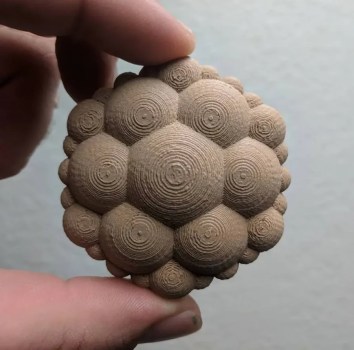
Have recently been reading Lucretius, On the Nature of Things, and there is quite a lot in there to process. Works from antiquity are often overwhelming and enthralling. Replete with arcane ideas, references and things– I have missed on my journey so far and feel the need to follow up with. One such thing is Archimedes’ Stomachion, an antique masterpiece of geometrical abstraction. Remind me to compare it more formally and analytically to Popova’s Architectonics c.1918 and other triangular abstractions of the early 20th century.

In May of 2018, I was finishing a Masters of Architecture degree and was soon to join a program for a Doctorate of Philosophy in design. All indications at the time pointed to a PhD project on avantgarde and modern art, design, and architecture in the early Soviet Union. I had payed a lot of attention to Liubov Popova in my readings. Her story and imagery were impressive and intriguing, especially any “Живописная Архитекектоника” (Painterly Architectonic) — as that phase combined art and architecture with the possibilities and mysteries of trigonometric space.
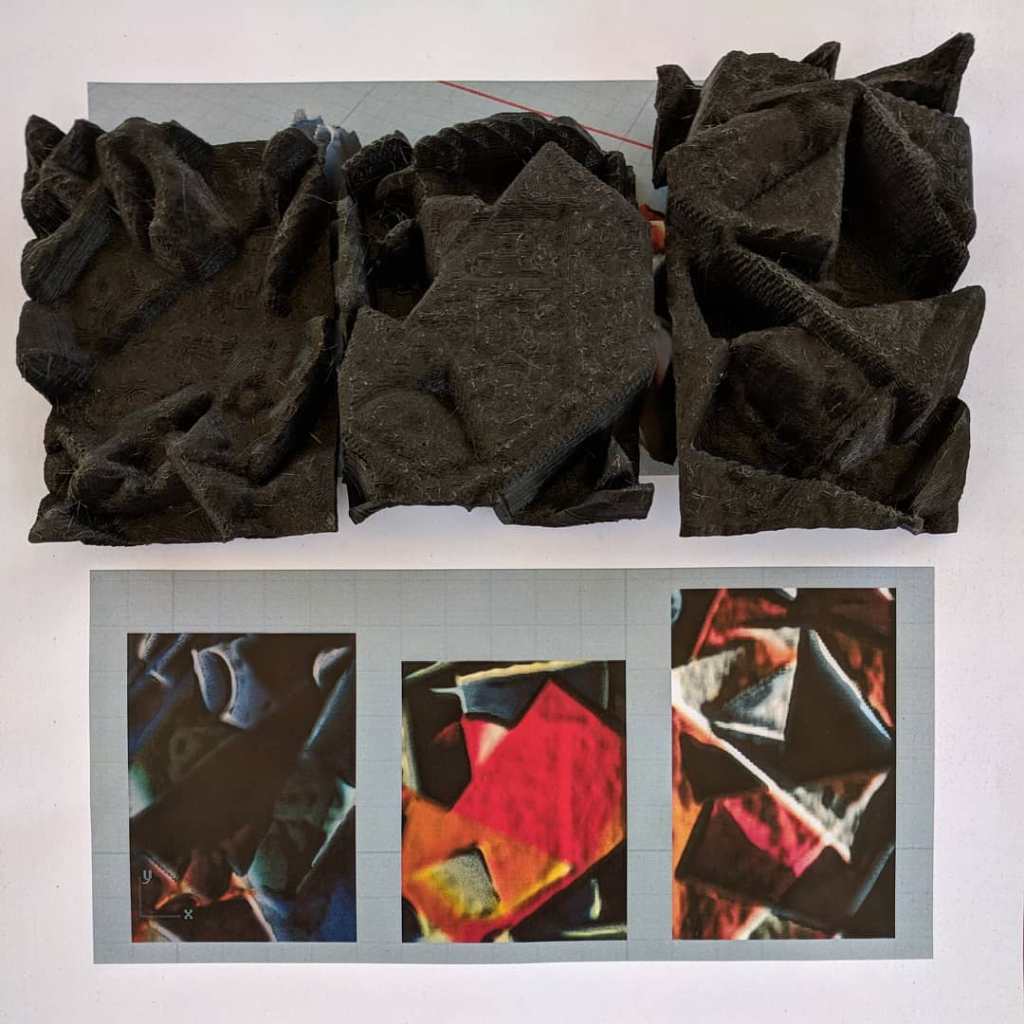
That May, and for the few years after, I was testing several approaches to my doctorate. And testing a few and fulfilling other lines of inquiry. Would I work on some kind of building science? Visual analysis? Interviewing, surveying, and polling? I settled on a historical-philological path and tread as lightly as possible. One incomplete line of inquiry was a project I called “Depth Maps” that were intended to generate depth from abstract two dimensional works. I used three of Popova’s Architectonics and ran them through some software to generate as such. The basic principal is seeing in grayscale and mapping by tonal range, assign minimum to white and maximum depth to black (or vice versa) and plotting all points of gray in between.

This month, October of 2025 I appreciate and realize more than before how important of a precedent Popova’s works are and how my efforts at Depth Maps, seven years before, are an point of departure for my recent efforts at developing a Drawing to Print method that adds depth to a two dimensional drawing.
 drdrr.work