One of the both most basic and potentially most advanced forms of architecture is the dome. Here are a few forays, of mine, into designing domes.
These sketches show, perhaps the first dome I designed– the geometry is one variable, but here was also an effort at creating iridescence. Using colors at different angled planes to create differing color effects from different angles. I was going to leave the ground plane open and make the dome an overhead space, thin columns would be added later.


This project evolved throughout the semester.
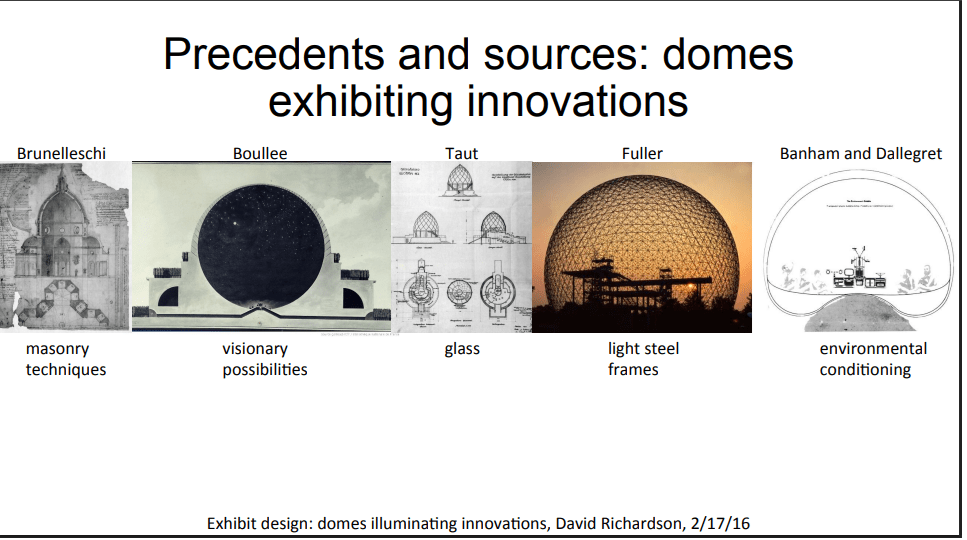
This slide is from a presentation I gave in February 2016, at ASU in a architectural design studio. We were working on an exhibition space. First slide is some model dome case studies.

Second slide shows some of the thoughts behind it, about gradient space, limitless exhibition topics using this projection format. On the right is a few ideas about how to enter the space, I ended up going with the middle entry.

This is what I settled on for that one, mid way. This variant is oblong at the bottom to create more floor space and projection above, pictured are Earth environment, Art environment, and Space environment. The interactive projection component is difficult to figure out, technically, but is compelling.

I began working with glass in the middle, a transparent floor to bisect and have both upper and lower domes. Here is an upper dome with molecular content.

And a lower dome also with microscopic molecular display content.
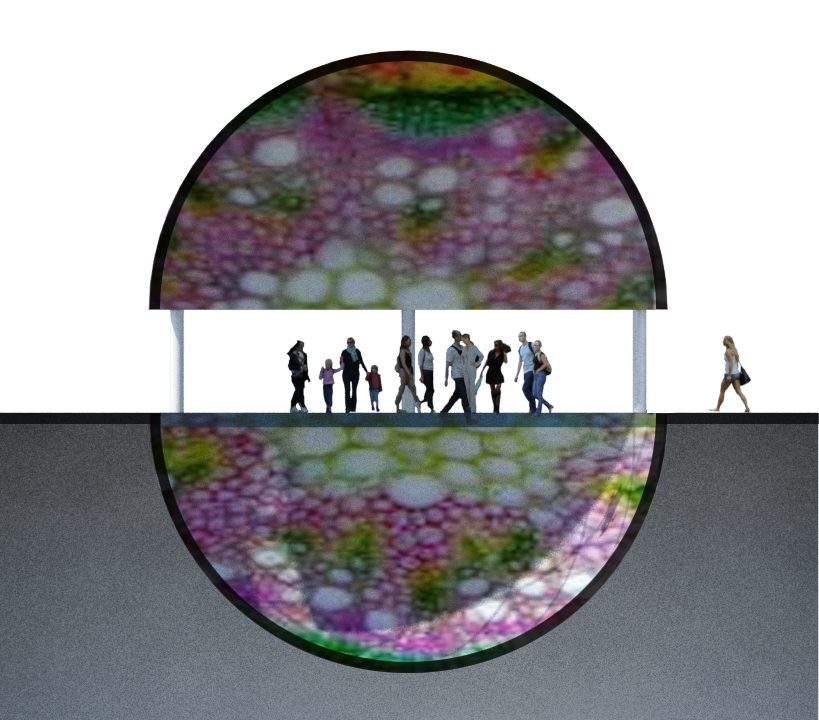
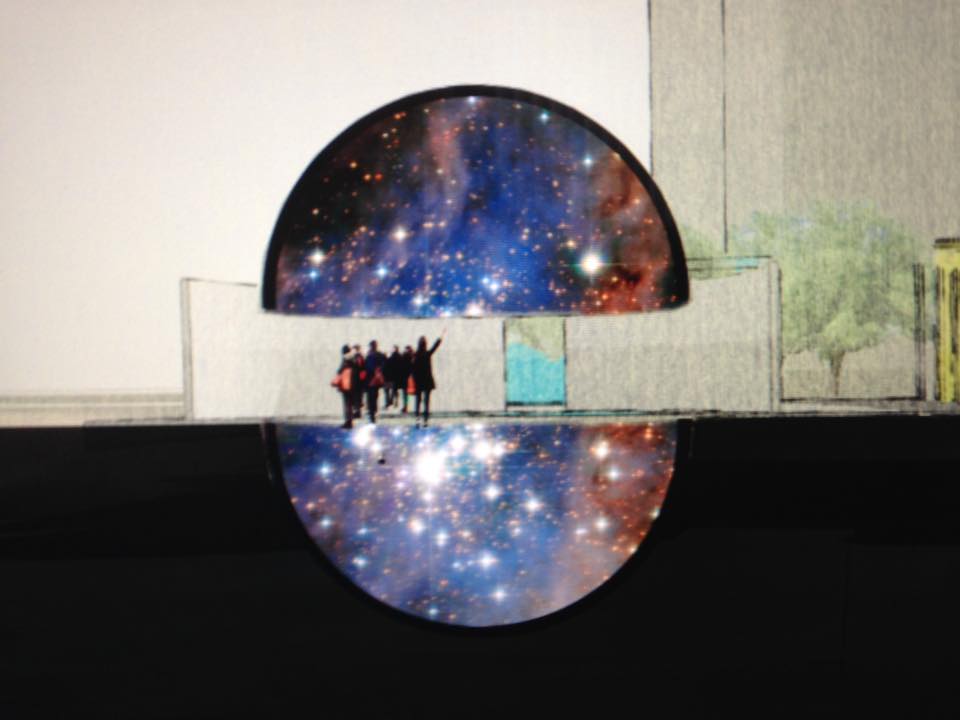

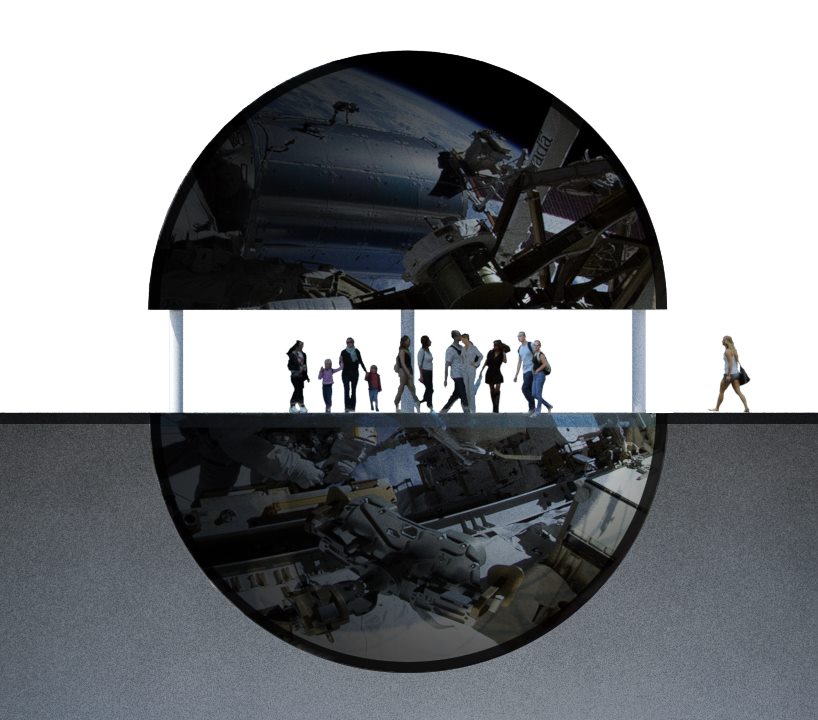
Many variations were explored for the projection content, which could be most anything. Inside a microscopic image, scientific imagery of neurology, outer space imagery, imagery from on board a space station.
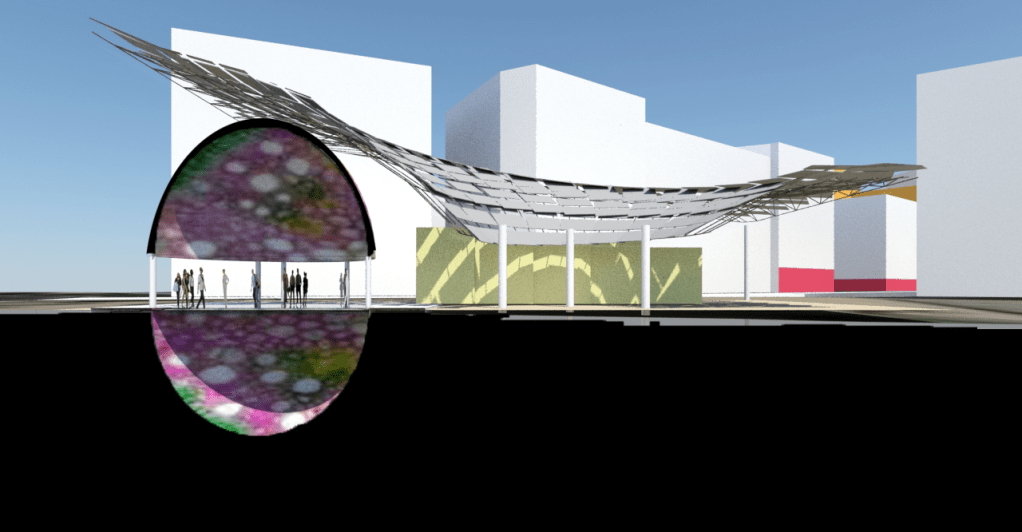
Here is a sectional perspective drawing of the whole visitors’ center design at some point in the semester. There were a few elements to the project, the dome was just one, the exhibition space. There was also a solar array canopy and a telescoping auditorium space.

Here is another section.
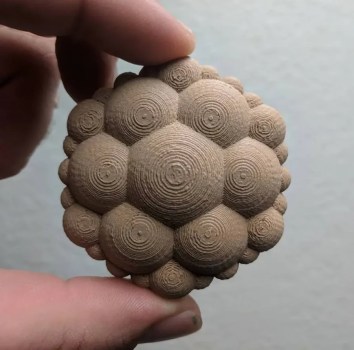
The next year I was involved often in 3D printing. I spend a lot of time learning the equipment. Trying, testing, researching, designing. Printing can easily allow fluid, round, organic shapes such as domes, and here is one model I made of a dome cluster.
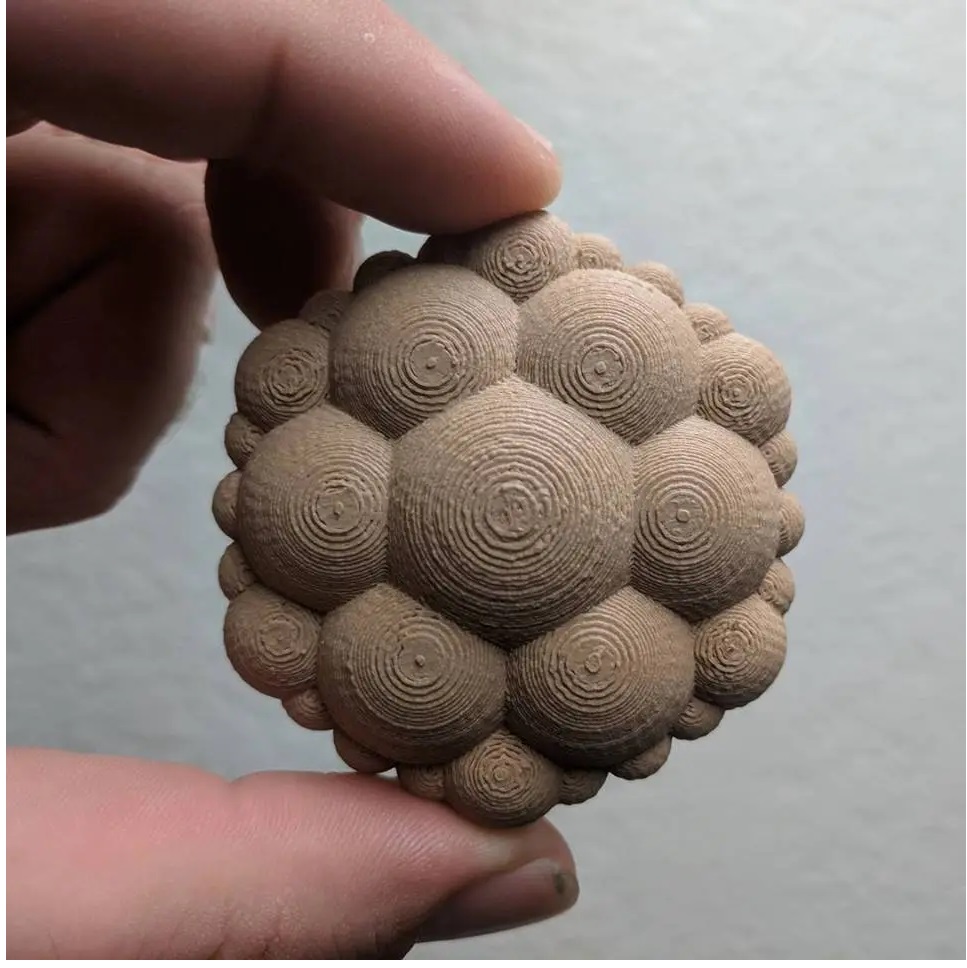
This print from November 2017, is in a wood infused filament, which is an interesting product with a lot of potential. Here are a few more prints of dome clusters.


These spaces would be interesting to model interiors for as well. Maybe at another date.
Another effort at a dome made of recycled plastic bottles was visualized the next year, 2018.


Here it is, could spend more time on found objects arrayed into domes. Seems delicate and I need to revisit the structure in this one at some point.
These visualizations were made the same year and represent time and use of time.

They could be developed from circle into sphere and dome.
This next one was made by arraying ramps and stairs into a dome form.


This exercise in excessive circulation and accessibility, was from June 2019.
Some I made to explore geometry, almost completely.


Not sure what year I made this one. Tessellation is one way to achieve the structure.
The next one from February 2022, is an effort at a combination of sphere and low dome, to consider glassy optical effects.

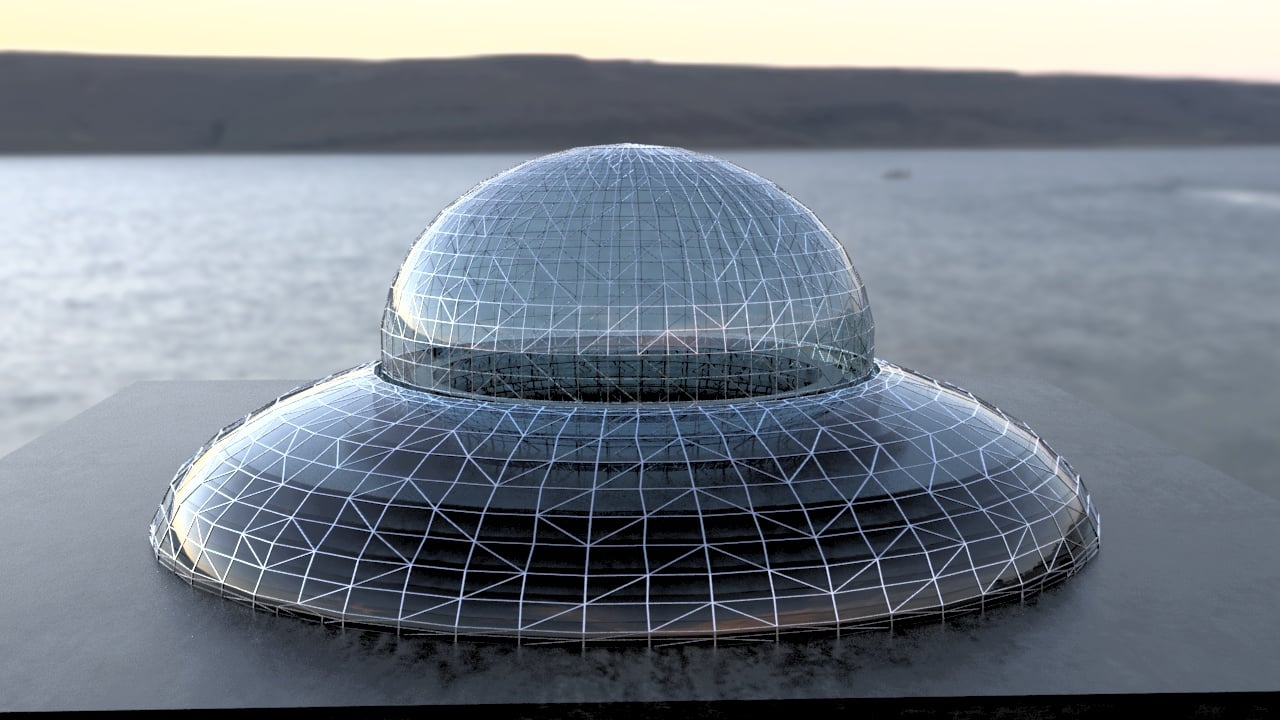
One of the programs for dome structures that we see in the last two centuries or so is the observatory typology. I enjoy visiting observatories, for their architecture, their science, and to learn about the cosmos.
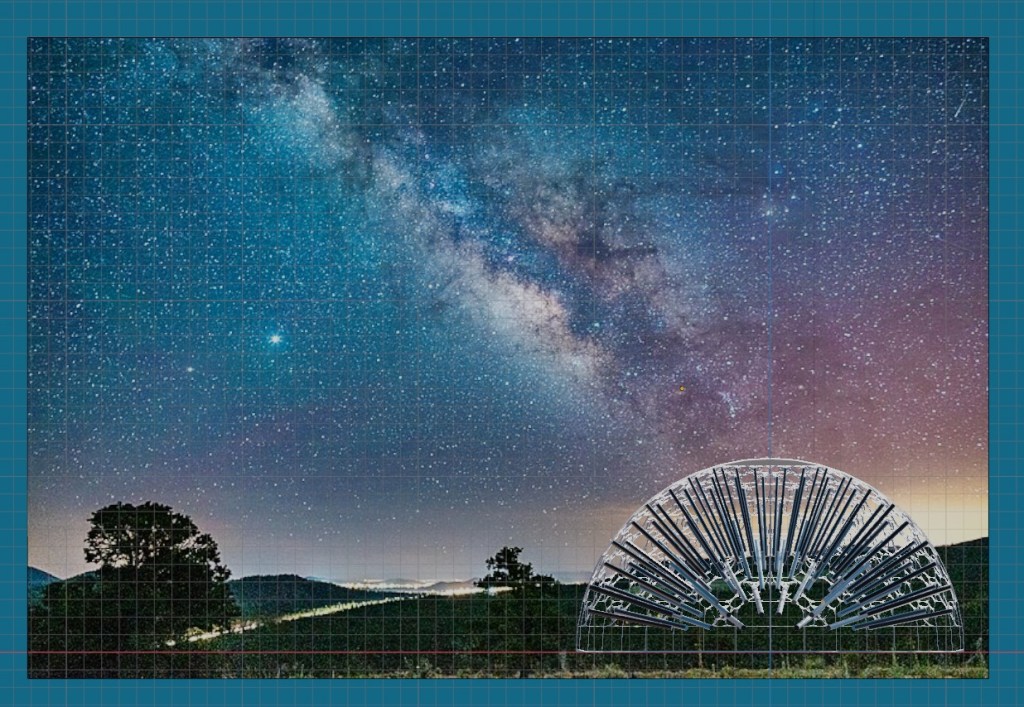
I made a few efforts at visualizing observatory architecture in the summer of 2022. Pictured above is a dome comprised of telescopes in all directions that can be viewed from one focal point.
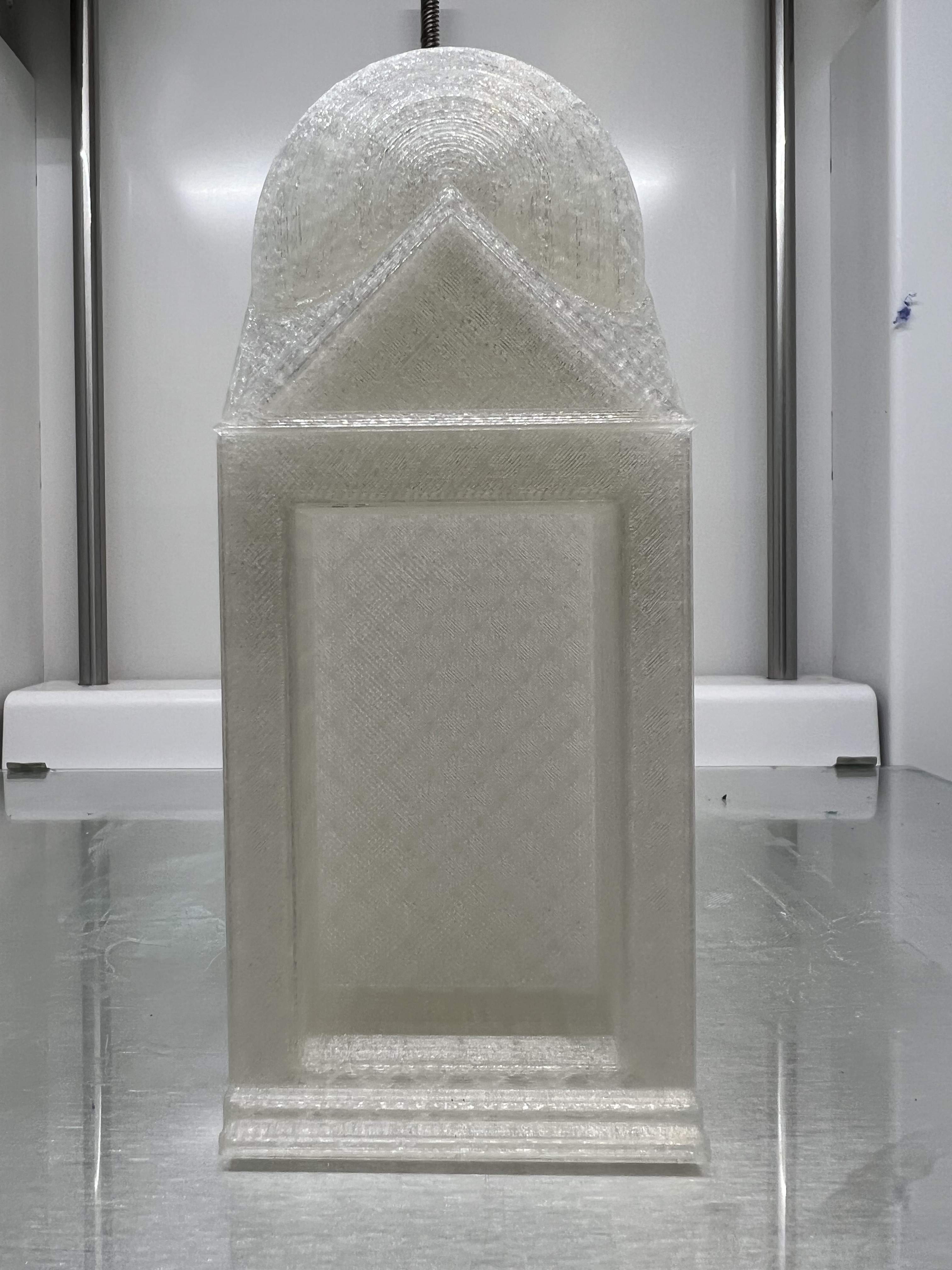

Here is a classically inspired tomb design, with a dome over a pediment. Made in October 2024. Unusual and mannerist at best.
In March of 2025 I was visualizing smaller immersive dome spaces again.


Here are some combinations. Between floor plates. Here are also a void space of domes in a torus.

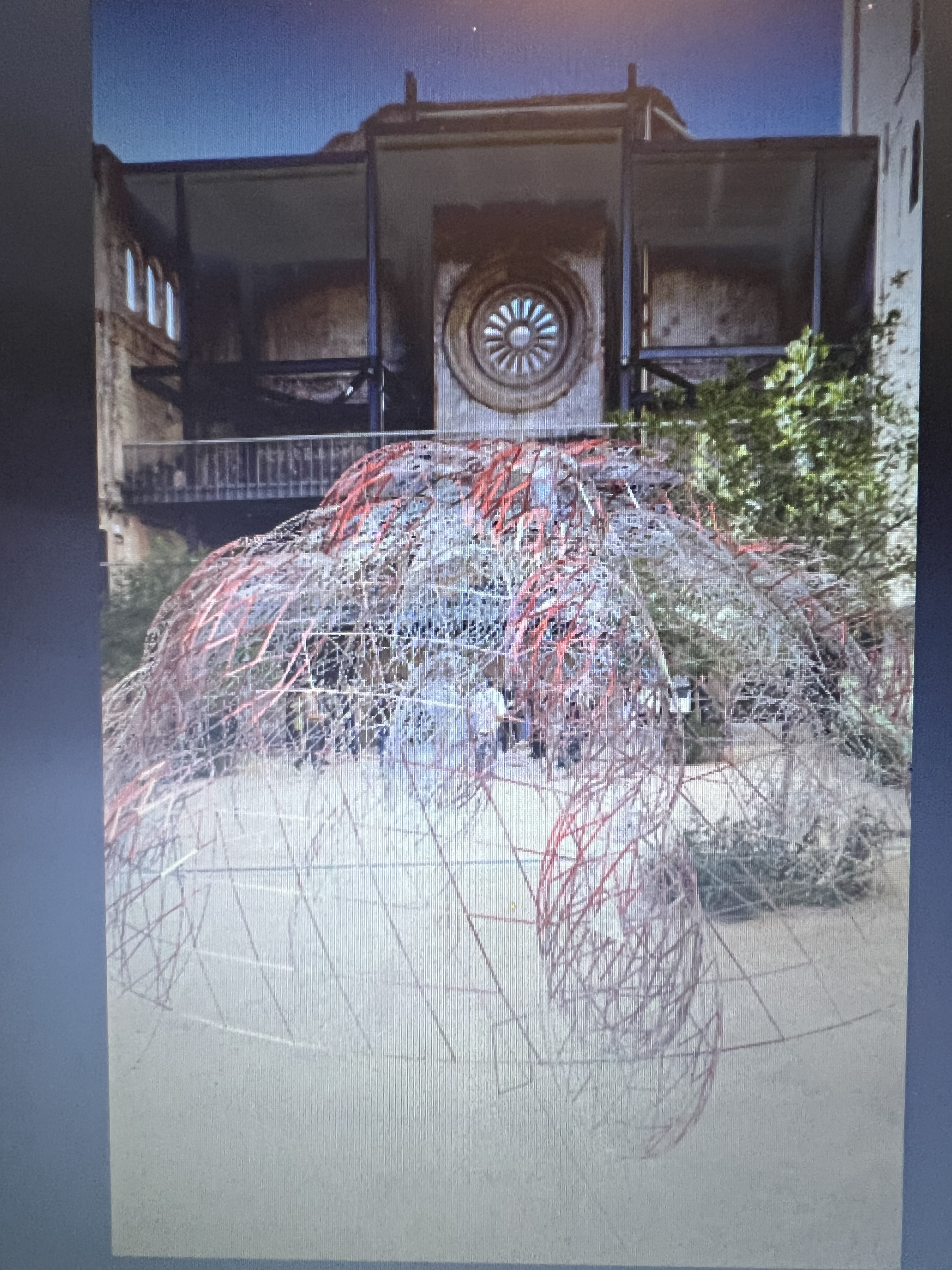

This is another 2025 idea, a dome with its structure derived from the ridge structures of a cactus. The result was superimposed into a garden courtyard of a beautiful historic building. As if it could be anywhere. Would make a nice temporary structure there.
I would like to end this design essay with the hope that you see that there are a lot of architectural possibilities for domes, as there are with architecture as a whole. Thank you for reading,
 drdrr.work